Personal Aircrafts - Israel-based startup Air has launched its personal electric vertical take-off and landing (eVTOL) aircraft aimed at the consumer market.
The Air One, the company's first vehicle, is an all-electric, two-seat EVTL with an expected range of 110 miles on a single charge, a top speed of 155 mph and an endurance of about an hour.
Personal Aircrafts

Using "Fly By Intent" software — an intuitive fly-by-wire system capable of controlling complex functions and navigation — the company says it's creating a vehicle that's easy to fly.
Aviation Law I Aviation Accident I Personal Injury: Aviation Law
The company says its vehicles prioritize everyday practicality for customers. For example, Air One has folding wings to facilitate parking
"The future of mobility is in the air," Air CEO and co-founder Rani Plaut said in a statement. “But to get there, we need to increase consumer confidence in eVTOL as a legitimate everyday mode of transportation and develop a wide range of vehicles to make this vision a reality.
Air said it is currently working with the FAA to obtain preliminary type approval for the G1, which it hopes to achieve in 2023 and begin commercial service of the aircraft in 2024. It is also aiming for mass production of its aircraft.
While pricing information isn't expected to be available to the public until 2022, the company said it will take pre-orders with additional costs that will be released to registrants.
Ceo Shows Flying The Air One Personal Evtol For Ga Pilots
A number of companies are working to accelerate the EVTOL industry and make it a reality in everyday life, but most are focused on commercial applications. Air joins other developers, including HR Aero, Tetra Aviation and Next UAS, who say eVTOL needs to be more flexible to become a reality.
Based in Chattanooga, Tennessee, Meg is the editor-in-chief of Modern Flying, bringing 20 years of editorial experience in both digital and print publishing to the Flying Media Group team. Follow Meg on Twitter @emdash13 Light but high-performance single-engine planes like this Tecnam P-2010 TDI are the type of aircraft that are likely to be hot sellers under the FAA's development plans to liberalize certification and flight regulations for light aircraft. They are
The Light Sport Aircraft (LSA) division created by the FAA in 2004 in collaboration with industry leaders was an exciting change. Along with the new sport pilot certificate, the LSA rules aimed to revitalize light aviation.
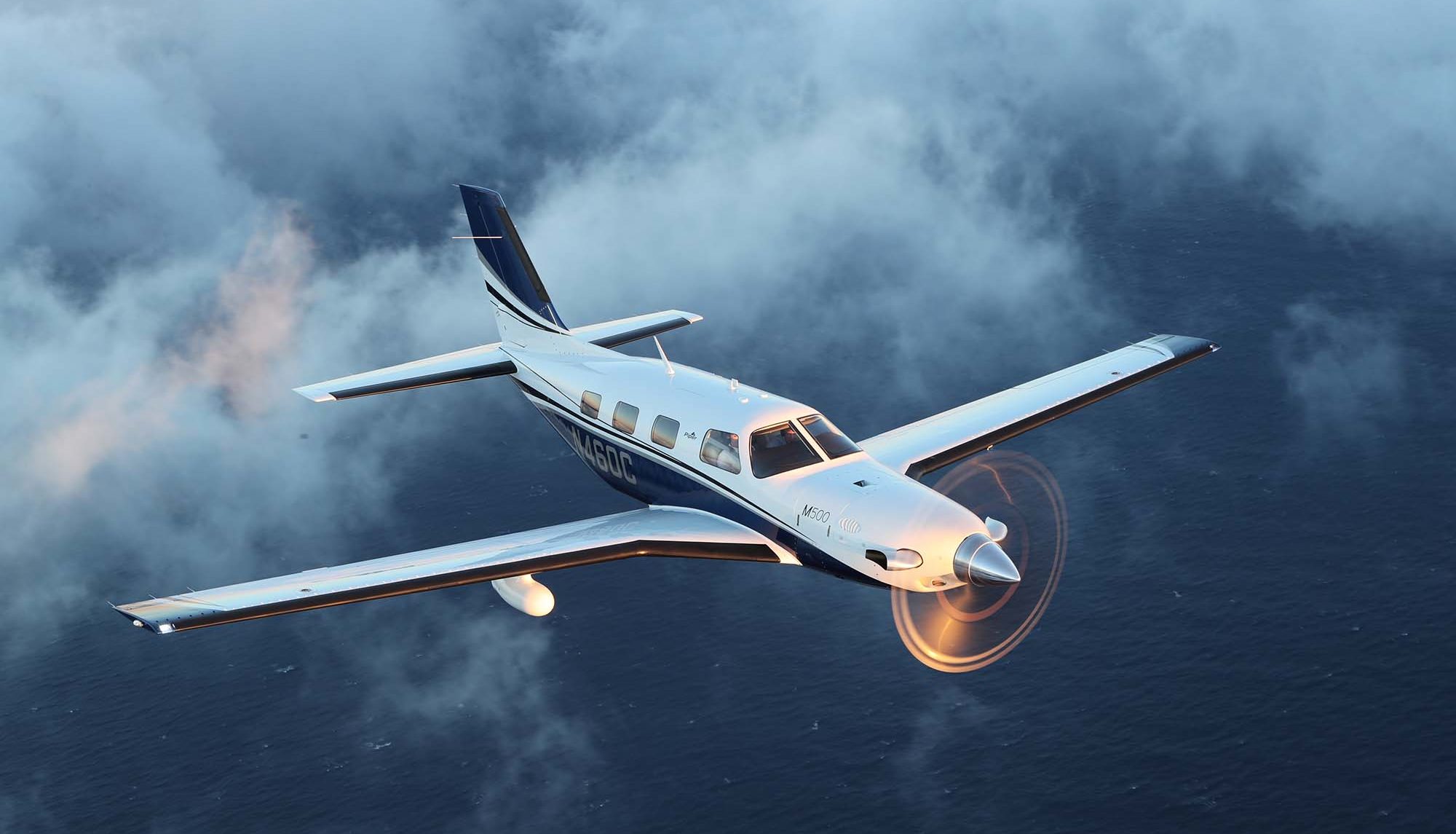
It didn't turn out that way, mainly because LSAs were so limited and most challenging flight patterns. So the 2021 light GA segment is the same size as in 2004 None of the challenges we faced then have disappeared In fact, most have gotten worse
General Aviation: Reconceiving The Personal Plane
But the emergence of a new segment known as Light Personal Aircraft (LPA) offers an opportunity to fundamentally change the light GA market and revitalize it with new machines and new ideas. The current LSA section will continue as a subsection of the LPA Act, and the LSA will benefit from rewriting the rules. A final rule could come as early as 2023 And the changes I'm discussing include some broad-based initiatives known simply as MOSAIC
When we think of private aviation, we usually think of Part 23-certified light (often less than 4,000 pounds), single-engine piston airplanes that carry two to six people. However, there is much more to this pie - including light multi-engine aircraft, light sport aircraft and recreationally built aircraft. But when it comes to acquiring or upgrading other aircraft, most of us think of light Part 23 aircraft such as the Cessna 150 or Skylance, Beech Bonanzas, Mooney 201s or Cyrus SR22s, just to name a few.
Part 23 of the Federal Aviation Regulations allows for a wide variety of aircraft, from two-seat airplanes to small jets. And when the FAA first began certification reform more than two decades ago, it invented a new segment — light sport aircraft. A key argument raised by nearly everyone interested in certification reform is that Part 23, which got Cessna certified for the nearly 400-knot CitationJet, was too complicated, expensive and involved a process for smaller, simpler planes. This process, as all agreed, inevitably made the certification process for light aircraft too expensive to justify the relatively small market for such aircraft. As a result, few new aircraft were introduced to the market
Enter the light game rules Now there are some great ideas behind the LSA category First, and arguably most important, it virtually removed the FAA from the certification process by abandoning some of the 23 so-called industry consensus standards. In short, industry members meet and decide on the criteria used to build airplanes that companies can sell ready to fly, such as package airplanes that the buyer will build themselves.
Flying Precious Cargo: When Travelers Need Security In A Private Aircraft
Like the LSA, more efficient light personal aircraft will also earn certification by following industry consensus standards This change could significantly reduce the development and production costs of this new aircraft
"Like LSA, more efficient light personal aircraft will also be recognized by industry consensus, which could significantly reduce the development and production costs of these new aircraft." Light sport aircraft problem
There was no great idea behind this standard The FAA, assisted by LSA designers in implementation, failed in this effort because it made two assumptions that directly contradicted safety.
The first is that the lighter the aircraft, the safer it is. LSAs are limited to 1,320 pounds under most conditions, compared to about 2,500 pounds on the Cessna 172, one of the safest light aircraft. In theory, heavy aircraft are no safer than light aircraft, but in practice they usually are. | I've flown hundreds of different models of light aircraft, and some of the hardest to fly are LSAs.
How Much Does A Private Jet Cost?
Motion is complex When asked if the Cob, it's very slow, was a safe airplane, one early pilot said it was slow, so it was fast enough to kill you. The truth was that Cube was and still is involved in many fatal accidents LSAs may be slow, but they are fast enough to kill you
The FAA was similarly ambivalent in evaluating speed-related safety, setting the LSA's maximum stall speed at 45 knots, compared to a stall speed of 61 knots for single-engine Part 23 aircraft. It's easy enough to see the concept here Let these flights slow down to a layover and adventures outside the airport will be more manageable. But is it true?
The difference between the LSA's max stall speed and the Part 23 single is 16 knots, which is quite large, but aerodynamically, lift doesn't work mathematically but geometrically, so getting to 45 knots is a tall order that requires a lot. More lifts than you think So the weight has to be kept down and the wing area has to be greatly increased
FAA specifications resulted in the first generation of LSAs, most of which were challenging to handle at low speeds, especially in windy conditions and in high winds. The lighter weight of the aircraft means lower speed, so the aircraft reacts faster and a higher lift force degrades its flight ability. Think of the butterfly in the storm
Ceos Just Can't Let Go Of The Company Jet For Personal Use
There are two-seat, Part 23 machines that operate at or below the LSA maximum speed of 45 knots, and those machines, which include the Cessna 150/152 and Diamond DA-20, perform better near the runway than most LSA counterparts. . So you can make a light machine that will run reasonably well even at slow speeds in windy conditions, but probably won't be so easy to tow.
The solution is to add a pound to the LSA's maximum weight of 1,320 and add a few knots to the maximum stall speed. Then you have more airplanes that don't fly as much when it's windy
The FAA also suddenly banned electric propulsion rules with slippery wording intended to exclude turboprops, which makes so little sense for LSA that we think it needs a special mention in the first place. But these are the dangers of writing rules, the unintended consequences
:max_bytes(150000):strip_icc()/GettyImages-628209232-3ba228dce74841d490f83d74d4b80772.jpg "Personal Aircrafts")
What are the rules for this new Super LSA race? No one knows How fast are they allowed to cruise? Is reversible gear accepted? What about approval for an IFR flight? Some are more likely than others, but nothing is certain at this point
Forget Flying Commercial: The Personal Airplane Is Taking Off
Word leaks from the virtual beltway that a new generation of LSAs is on the way, which will include a new umbrella category called light personal aircraft. Current LSA category will be under LPA category But the good news is that the LSA will gain weight and performance across the board, although details are scarce The added power and speed of the LSA only helps to do this
Cessna aircrafts, private aircrafts, aircrafts, buy aircrafts, about aircrafts, ultralight aircrafts, jet aircrafts, leasing aircrafts, new aircrafts, flying aircrafts, charter aircrafts, bombardier aircrafts
0 Comments